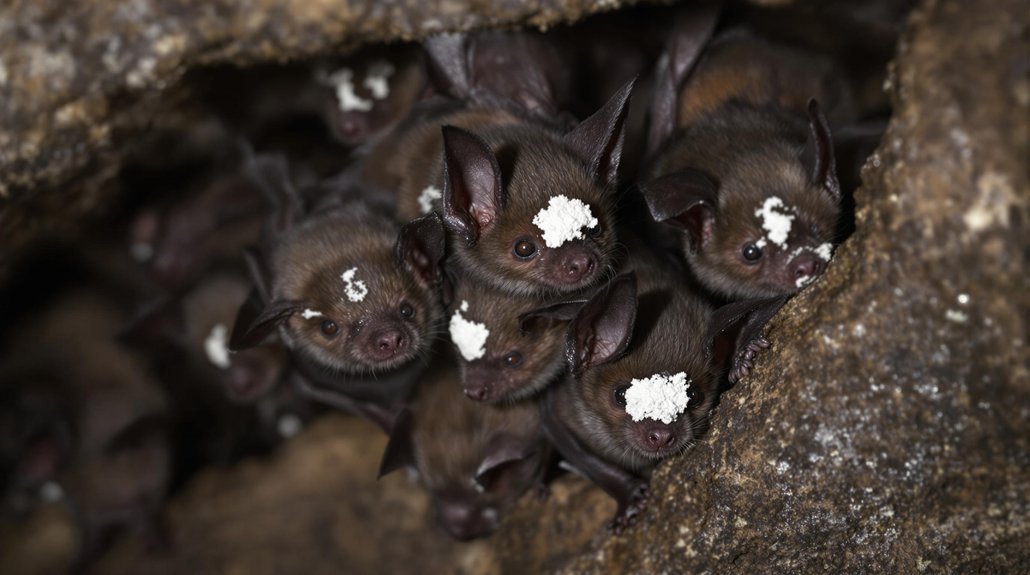
Indiana bats, known scientifically as Myotis sodalis, are at risk from several diseases that affect their health and ecosystems. Common diseases include rabies, histoplasmosis, and white-nose syndrome. Rabies is a viral infection that can be fatal, while histoplasmosis is caused by inhaling spores from bat droppings. White-nose syndrome disrupts hibernation, leading to exhaustion in bats. These diseases not only threaten bat populations but can also pose risks to human health. Awareness of these issues is important for conservation efforts. Understanding the impact of these diseases provides critical insights into the health of Indiana bats and their environment.
Key Article Highlights
- Indiana bats can carry diseases like rabies, posing severe health risks to humans through bites or scratches.
- Histoplasmosis is a concern from inhaling spores found in bat guano, leading to respiratory issues.
- White-nose syndrome impacts Indiana bat populations by disrupting hibernation, causing exhaustion and increased mortality rates.
- Zoonotic diseases, such as Nipah and Hendra viruses, can be transmitted from bats to humans and livestock, posing significant health risks.
- Monitoring bat populations is essential to prevent disease outbreaks and protect public health while maintaining ecosystem balance.
Overview of Indiana Bats
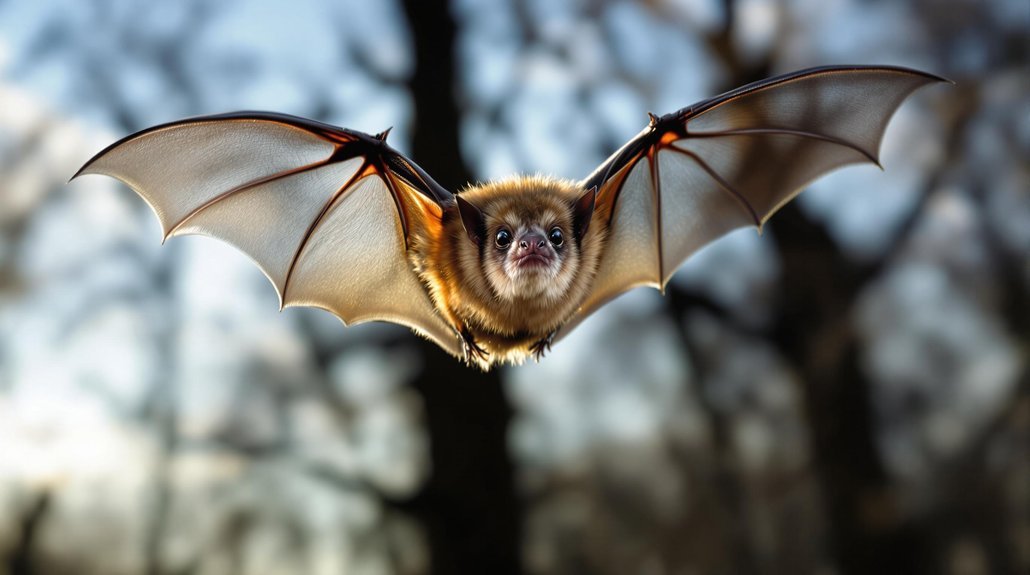
Indiana bats, scientifically known as Myotis sodalis, are a small species of nocturnal mammals primarily found in the eastern United States. These bats typically roost in caves during the day and emerge at dusk to forage for food. Their diet mainly consists of insects, which they capture in flight. Understanding Indiana bat behavior is important for conservation efforts, as their foraging habits greatly influence local ecosystems.
The Indiana bat habitat is essential for their survival. They prefer humid environments, often selecting caves with stable temperatures and high humidity for roosting. During the summer, these bats seek out trees with loose bark for maternity colonies, where females give birth to their young. The choice of habitat impacts their ability to thrive and reproduce.
Indiana bats are social creatures, often found roosting in large groups. Their behavior changes with the seasons, leading to migration in search of suitable wintering sites. Conservation measures are crucial to protect their habitats from destruction and disturbance. By preserving Indiana bat habitats and understanding their behavior, we can help maintain the ecological balance and promote the survival of this endangered species.
Common Bat-Related Diseases
Bats can be carriers of various diseases that pose risks to both wildlife and human health. Understanding common bat-related diseases is fundamental for effective disease prevention and maintaining bat ecology. One prevalent disease is rabies, a viral infection that affects the nervous system. Infected bats may exhibit unusual behavior, such as increased aggression or disorientation. Another concern is histoplasmosis, a fungal infection that can occur when people inhale spores found in bat guano. This disease primarily affects the lungs and can have serious health implications.
Other notable diseases include white-nose syndrome, a fungal infection that has devastated bat populations across North America. This syndrome causes bats to wake up during hibernation, leading to exhaustion and often death. Additionally, bats can carry parasites, such as mites and ticks, which can impact their health and that of other wildlife.
To protect both bats and humans, awareness and education about these diseases are important. Implementing disease prevention strategies, such as avoiding contact with bats and their habitats, is crucial. By understanding these common bat-related diseases, we can contribute to the overall health of ecosystems and promote coexistence with these significant creatures.
Zoonotic Diseases of Concern
Many zoonotic diseases associated with bats raise significant public health concerns. These diseases can be transmitted to humans through various means, including direct contact with bats or through contaminated environments. Understanding the potential risks is essential for enhancing public awareness and preventing zoonotic transmission.
Key zoonotic diseases of concern include:
- Rabies: A viral disease that can be fatal if not treated promptly after exposure.
- Histoplasmosis: A fungal infection caused by inhaling spores found in bat droppings.
- Nipah virus: A virus that can cause severe respiratory illness and neurological complications.
- Hendra virus: Another viral infection linked to contact with bats, known to affect both animals and humans.
These diseases illustrate the importance of monitoring bat populations and their habitats. Increased public awareness can lead to better prevention strategies and health guidelines. By understanding the risks associated with bat-related zoonotic diseases, communities can take proactive measures to reduce exposure and enhance overall public health safety.
Impact on Indiana Bat Populations
The impact on Indiana bat populations has become increasingly concerning due to various environmental and health challenges. The decline in their numbers is alarming, as it threatens not only the species itself but also the ecological balance within their habitats. Indiana bats play an essential role in controlling insect populations and pollinating plants. Their diminishing presence disrupts these functions, highlighting the significance of their conservation.
| Factors Contributing to Population Decline | Effects on Ecological Balance |
|---|---|
| Habitat loss due to urban development | Increase in insect populations |
| Climate change affecting hibernation | Disruption of pollination services |
| White-nose syndrome and other diseases | Altered food webs and species dynamics |
| Pesticide use impacting food sources | Loss of biodiversity |
| Human disturbance during roosting | Decline in ecosystem resilience |
The cumulative effects of these factors on Indiana bat populations can lead to severe consequences for their survival. Without appropriate intervention, we risk losing not just the Indiana bat, but also the ecological stability it helps maintain. Conservation efforts are essential to guarantee the survival of this significant species.
Transmission Pathways of Diseases
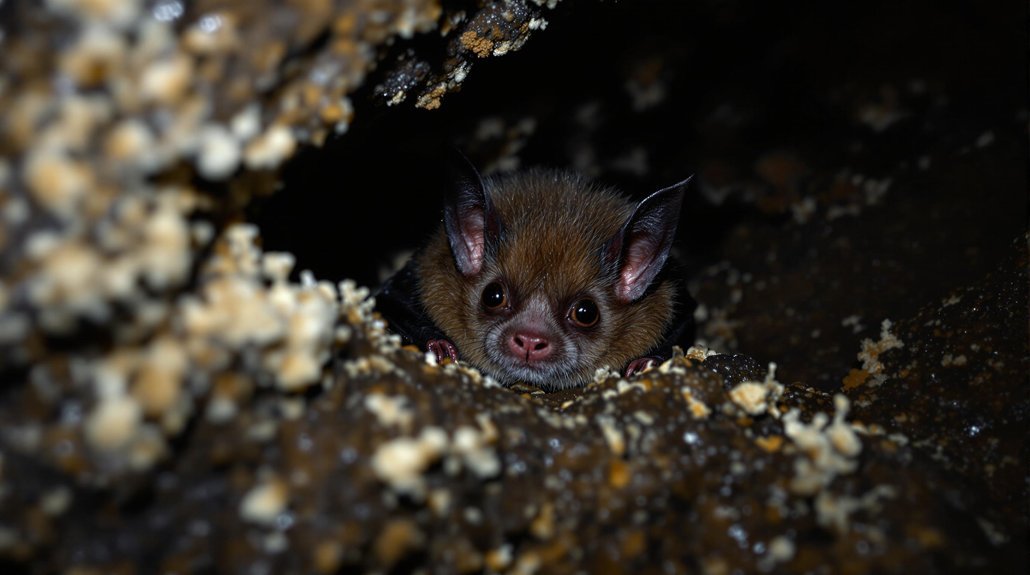
How do diseases spread among bat populations? The transmission pathways of diseases in bats, including the Indiana bat species, are crucial to understanding their health and conservation. Various factors contribute to the spread of pathogens, with multiple transmission routes identified. These include:
- Direct Contact: Infected bats can transmit diseases through physical interaction, such as grooming or fighting.
- Fecal-oral Transmission: Pathogens may spread via contaminated droppings, where healthy bats ingest the infectious material.
- Environmental Reservoirs: Disease vectors, such as insects, can carry pathogens from one bat to another, facilitating indirect transmission.
- Shared Roosting Sites: Bats that share roosting sites may expose one another to diseases, especially in densely populated areas.
Understanding these transmission routes is essential for developing effective management strategies to protect bat populations. By identifying how diseases spread, researchers can implement measures to limit exposure and mitigate the impact of diseases on vulnerable species like the Indiana bat. Ultimately, addressing these pathways is fundamental for the preservation of bat health and biodiversity.
Symptoms in Affected Bats
Symptoms in affected bats can vary considerably depending on the disease involved. Accurate symptom identification is essential for understanding the health status of Indiana bat populations. Common symptoms may include weakness, unusual grooming behaviors, and changes in roosting habits. Bats may also exhibit signs of respiratory distress, such as labored breathing or coughing. Such behavioral changes can indicate that the bats are struggling with infections or diseases.
In addition to respiratory issues, affected bats may show signs of malnutrition or dehydration. This occurs when they are unable to forage effectively due to illness. Changes in social behavior, such as increased aggression or withdrawal from the colony, can also be observed. These shifts often stem from the bats' weakened physical state.
Monitoring the health of bat populations is important for early detection of disease outbreaks. Observing these symptoms can help researchers and conservationists implement necessary interventions. By recognizing these early warning signs, it is possible to take steps to mitigate the impact of diseases affecting Indiana bats. Continued research is crucial to enhance our understanding of how these symptoms relate to specific diseases and their management.
Public Health Implications
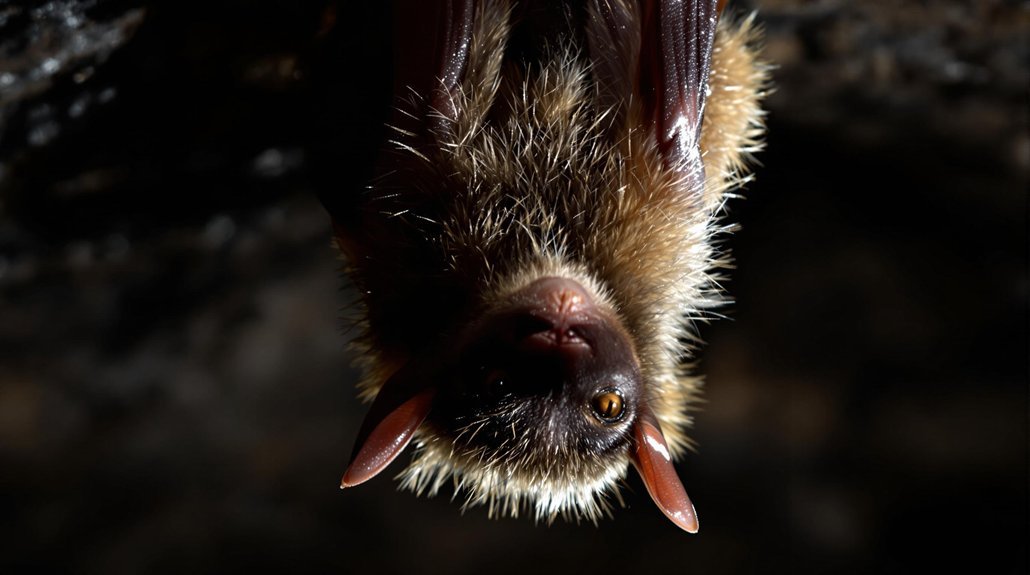
What are the potential consequences of bat-related diseases for public health? The presence of diseases linked to bat species, particularly the Indiana bat, poses significant threats to human health. Understanding these implications is fundamental for effective public health management. Key consequences include:
- Disease Transmission: Certain bat diseases, such as rabies, can be transmitted to humans, leading to severe health issues.
- Ecosystem Imbalance: Bats play an essential role in ecosystems. Their decline can disrupt local environments, affecting food sources and increasing disease vectors.
- Economic Impact: Public health responses to outbreaks can incur substantial costs, impacting local economies and healthcare systems.
- Public Health Education: Increased public awareness is necessary. This includes informing communities about avoiding contact with bats and recognizing symptoms of bat-related diseases.
Health education initiatives are crucial. They can empower individuals to understand risks and promote preventive measures. By enhancing public awareness and fostering community engagement, we can mitigate the effects of bat-related diseases on public health and improve overall community resilience.
Conservation Efforts and Strategies
Conservation efforts are essential for protecting bat populations and their habitats. Habitat protection initiatives focus on preserving the environments where bats thrive, while disease monitoring programs help track and manage potential health threats. Together, these strategies aim to support bat conservation and reduce the risk of disease transmission.
Habitat Protection Initiatives
Preserving bat habitats is fundamental for maintaining ecological balance and protecting these critical species. Habitat protection initiatives focus on habitat restoration and species preservation to guarantee the survival of bats, particularly the endangered Indiana bat. Effective strategies include the following:
- Land Conservation: Protecting natural areas from development helps maintain crucial roosting and foraging habitats for bats.
- Reforestation Programs: Planting native trees and restoring forests can provide important roosting sites and improve overall habitat quality.
- Water Source Protection: Safeguarding wetlands and streams supports the insect populations that bats rely on for food, enhancing their foraging opportunities.
- Public Awareness Campaigns: Educating communities about the significance of bats fosters support for conservation efforts and encourages responsible land-use practices.
Through these initiatives, we can facilitate habitat restoration and promote species preservation. Collaborative efforts among government agencies, non-profits, and local communities are essential to guarantee the effectiveness of these strategies. By prioritizing the protection of bat habitats, we contribute to the health of our ecosystems and the survival of these critical species.
Disease Monitoring Programs
As habitat protection initiatives strengthen the foundation for bat conservation, monitoring the health of bat populations through disease surveillance becomes an essential component of these efforts. Disease monitoring programs are fundamental for understanding the impact of diseases on bat species, particularly the Indiana bat. These programs utilize various monitoring techniques to assess the presence and spread of pathogens.
One effective method involves regular health assessments of bat populations, which may include capturing and examining individuals for signs of illness. Additionally, researchers collect samples from bat roosts and hibernacula to identify potential disease agents in the environment. The use of technology, such as acoustic monitoring, allows for non-invasive observation of bat behavior and health trends over time.
Collaboration among wildlife agencies, conservation groups, and researchers enhances the effectiveness of disease surveillance. By sharing data and resources, these partnerships can improve monitoring efforts and develop strategies to mitigate disease risks. Ultimately, disease monitoring programs are essential for protecting bat populations, ensuring their long-term survival, and maintaining the ecological balance they help sustain.
Frequently Asked Questions
How Can I Safely Observe Indiana Bats in the Wild?
To safely observe Indiana bats in the wild, practice bat watching by maintaining safe distances. Use binoculars for closer views, visit during dusk, and respect their habitats to guarantee both your safety and their well-being.
What Should I Do if I Find an Injured Indiana Bat?
If you find an injured bat, avoid handling it directly. Contact local wildlife rehabilitation centers for proper injured bat care and to support rehabilitation efforts. They have the expertise to guarantee the bat receives necessary treatment.
Are Indiana Bats Protected by Law?
Yes, Indiana bats are protected by law under the Endangered Species Act. Legal protections are essential for their survival, and ongoing conservation efforts aim to preserve their habitats and prevent further decline in their populations.
How Do Indiana Bats Contribute to the Ecosystem?
Indiana bats greatly contribute to the ecosystem through natural insect control, consuming vast quantities of pests. Additionally, they aid in seed dispersal, promoting plant growth and maintaining biodiversity, which is essential for healthy ecosystems.
What Is the Lifespan of an Indiana Bat?
The Indiana bat lifespan can reach up to 15 years in the wild. Successful Indiana bat reproduction is essential for maintaining their population, as these bats play an important role in their ecosystems throughout their lifespan.